
Toxic Conjunctivitis: When Everyday Products Irritate Your Eyes


What Is Toxic Conjunctivitis
Unlike other forms of pink eye that are caused by bacteria, viruses, or allergies, toxic conjunctivitis is the result of direct chemical irritation or damage to the eye's surface. It is not contagious and does not spread from person to person.
This condition can begin very suddenly after a single exposure to a strong chemical, or it can develop slowly over weeks or months from repeated contact with a milder irritant. Because the surface of your eye is extremely sensitive, even small amounts of certain substances can cause significant problems over time.
Bacterial and viral pink eye are caused by germs and can be passed between people. Allergic conjunctivitis is an immune system reaction to substances like pollen or pet dander and often causes intense itching. Toxic conjunctivitis is direct chemical damage to the eye's surface, and getting this distinction right is important because the treatment for each type is different.
Anyone can develop toxic conjunctivitis, but certain groups face a greater risk. People who use preserved eye drops daily for conditions like glaucoma or chronic dry eye, contact lens wearers, individuals who work with industrial chemicals, and those with generally sensitive eyes are all more vulnerable. Even children can be affected by household products or art supplies.

What Causes Toxic Conjunctivitis
A wide variety of common products contain ingredients that can irritate or damage the sensitive tissues of your eye. Identifying the source of the problem is the most important step toward recovery.
Preserved eye drops are one of the most frequent causes. A preservative called benzalkonium chloride, often abbreviated as BAK, is added to many eye drop formulas to prevent bacterial growth inside the bottle. However, with long-term daily use, BAK can progressively damage the surface cells of the eye, leading to chronic irritation and inflammation.
The solutions used to clean, disinfect, and store contact lenses contain active chemical ingredients that can cause a reaction. Problems are more likely when someone does not follow the directions for their solution, uses a product that is not compatible with their lens type, or gradually develops a sensitivity to one of the ingredients over time.
Many beauty and hygiene products can cause a reaction if they come into contact with your eyes. Common sources of irritation include the following items.
- Face wipes and makeup removers
- Eyelash glue and lash growth serums
- Hair dye, hairspray, and dry shampoo
- Sunscreen that runs into the eyes during activity or sweating
Exposure can also happen at home, at work, or outdoors without you even realizing it. Chlorine in swimming pools, air pollution, smoke, strong cleaning agents like bleach, and workplace chemicals such as solvents or pesticides are all recognized triggers. Even brief or indirect exposure to some of these substances can cause a reaction in sensitive individuals.

Symptoms to Watch For
Symptoms can range from mild and annoying to severe and vision-affecting. They may involve one or both eyes depending on how the exposure occurred, and recognizing them early helps you get care sooner.
Most people first notice a burning or stinging sensation, often described as feeling like something is stuck in the eye. This discomfort tends to get worse when you blink and does not resolve on its own once the irritant remains in contact with your eye.
The blood vessels in the conjunctiva become inflamed, making your eye look red or bloodshot. In some cases the conjunctiva itself becomes swollen and puffy, a condition called chemosis, which can give the eye a watery, glassy appearance.
Your eyes may water heavily as they attempt to flush out the irritating substance. The discharge is usually clear or slightly thick, and your eyelids may feel sticky, particularly when you first wake up in the morning.
Bright light may become uncomfortable or even painful, a symptom known as photophobia. Some people also experience temporarily blurred or hazy vision when chemical irritation disrupts the tear film or affects the cornea, which is the clear front surface of the eye. Any changes in your vision should be evaluated promptly.
How an Eye Doctor Diagnoses This Condition
A thorough evaluation by an eye care professional is the only reliable way to confirm toxic conjunctivitis, identify its cause, and rule out other conditions. An accurate diagnosis is essential for choosing the right treatment.
Your doctor will ask detailed questions about your symptoms, when they started, and how they have changed over time. Be prepared to discuss every product you use near your eyes, including eye drops, contact lens solutions, makeup, and skin care items, as well as any chemical exposures at work or at home. This history is often the most important clue.
Using a specialized microscope called a slit lamp, your doctor will examine your conjunctiva, cornea, and eyelids in detail. They will look for characteristic signs of chemical irritation, including redness, swelling, and specific tissue changes such as small bumps called follicles or papillae on the inner surface of the eyelids.
Your doctor may apply a special orange dye called fluorescein to the surface of your eye. Under a blue light, this dye highlights areas of damage on the cornea. Small dot-like injuries across the corneal surface, known as punctate epitheliopathy, are a classic finding in toxic conjunctivitis and help confirm the diagnosis.
Because the symptoms of toxic conjunctivitis can closely resemble those of infection, allergy, or dry eye disease, your doctor will carefully consider all possibilities before making a final diagnosis. Your product history, combined with the specific pattern of findings on examination, helps distinguish toxic conjunctivitis from these other conditions.
Treatment and Management
Treatment is aimed at three goals: removing the source of irritation, soothing your symptoms, and allowing the eye's surface to heal. Most cases resolve fully when the cause is identified and addressed promptly.
If a chemical splashes directly into your eye, act immediately. Rinse the eye continuously with clean water or a sterile saline solution for at least 15 to 20 minutes, holding the eyelid open throughout. This step is critical for diluting and clearing the substance before it can cause deeper damage. Seek emergency care right away for any strong chemical exposure.
The single most effective treatment is to stop using the product that is causing the problem. Your doctor will work with you to identify the most likely culprit based on your history and examination findings. In many cases, simply eliminating the irritant allows the eye to begin healing on its own.
To bring inflammation under control, your doctor may prescribe a short course of topical anti-inflammatory eye drops, which can include a mild steroid. These medications reduce redness, swelling, and discomfort, but they must be used exactly as directed because prolonged steroid use carries its own risks.
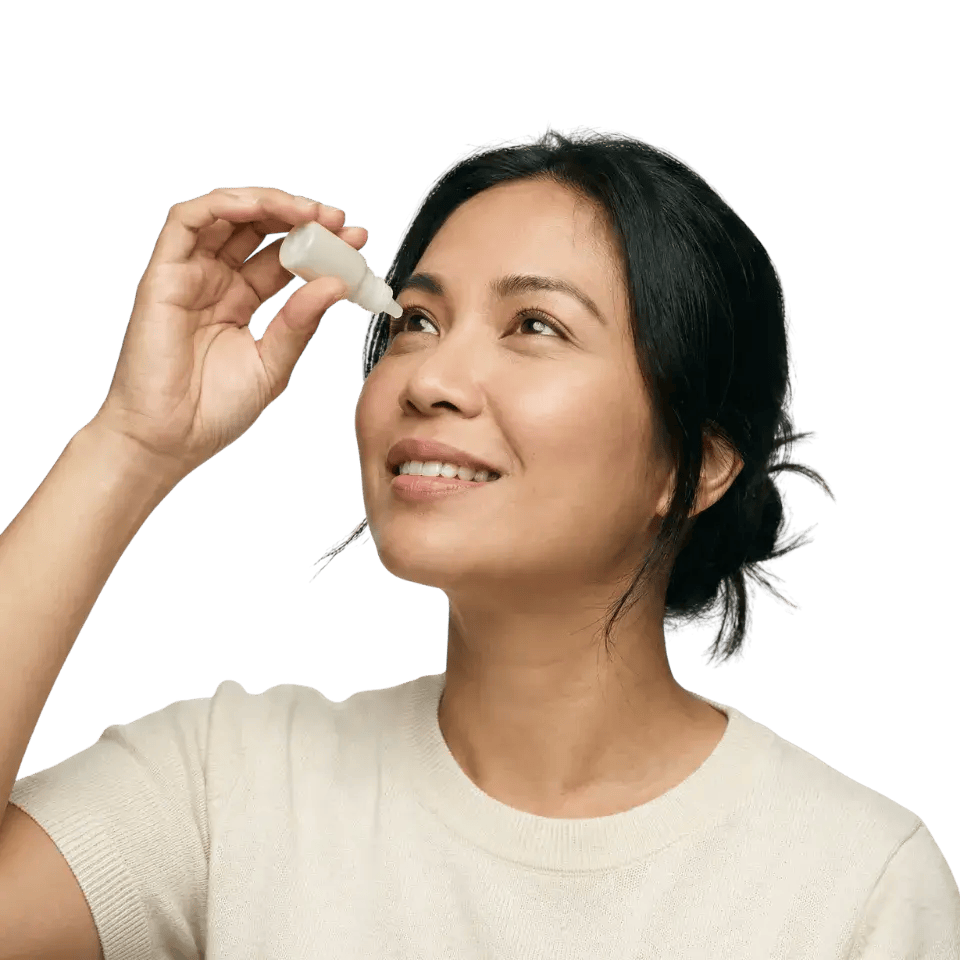
Preservative-free artificial tears used throughout the day can soothe the eye's surface, protect healing tissue, and provide ongoing relief. Applying a clean, cool cloth gently over your closed eyelids for 10 to 15 minutes at a time can also help reduce swelling and discomfort between drop applications.

Preventing Future Episodes
After your eyes have healed, a few straightforward habits can significantly reduce your risk of another episode. Protecting your eyes from chemical irritants is an ongoing part of good eye health.
Always read ingredient labels on eye drops, contact lens solutions, and cosmetics. If you have sensitive eyes, look for products labeled preservative-free, hypoallergenic, or formulated for sensitive eyes. Switching to a preservative-free eye drop formula is especially important for anyone using drops multiple times per day.
Wash your hands thoroughly before touching your eyes, applying makeup, or handling contact lenses. Never share eye cosmetics with anyone, and replace products like mascara every three months to prevent both irritation and infection.
Before applying a new cosmetic or skin care product close to your eyes, test it on the skin of your inner arm first. Wait at least 24 to 48 hours to see whether any irritation develops before bringing the product near your eyes.
When working with chemicals, whether in an industrial setting or simply cleaning your home with strong products, wear appropriate safety glasses or goggles. Proper eye protection is one of the simplest and most effective ways to prevent chemical eye injury.

Potential Long-Term Effects and Complications
Most people recover completely when toxic conjunctivitis is caught and treated early. However, severe or prolonged exposure without proper care can lead to lasting changes that are harder to treat.
Repeated or long-term chemical irritation can damage the glands responsible for producing a healthy tear film. This can result in chronic dry eye disease that requires ongoing management with lubricating drops or other dry eye treatments even after the initial reaction has resolved.
After one significant episode, your eyes may become more reactive to chemicals in general. This heightened sensitivity means you may need to be more selective about the products you use around your eyes going forward, even those you previously tolerated without difficulty.
In severe or prolonged cases, chronic inflammation can cause permanent scarring on the conjunctiva or the cornea. Depending on where the scarring occurs and how extensive it is, this can affect vision and may require advanced medical or surgical treatment to manage.
Some patients find that they can no longer wear contact lenses comfortably after a significant episode of toxic conjunctivitis. In these situations, switching to daily disposable lenses, shortening daily wear time, or transitioning to glasses may be necessary. Your doctor can help you determine the best approach for your specific situation.

When to See an Eye Doctor
Knowing when to reach out for professional care is just as important as at-home management. Some situations require prompt or emergency attention, and delaying care can lead to more serious problems.
Go to an emergency eye care facility immediately if you experience sudden or severe eye pain, sudden vision loss, or if a strong chemical such as a cleaning product, solvent, or industrial agent splashes directly into your eye. Do not wait to see whether symptoms improve on their own in these situations.
If redness, irritation, or discomfort does not begin to improve within two to three days of stopping a suspected product, or if your symptoms are getting worse rather than better, make an appointment with your eye doctor. Worsening symptoms may indicate that the irritant has not been fully identified or that another condition is present.
If you experience repeated bouts of eye irritation without a clear explanation, scheduling an evaluation is important. Your doctor can help identify patterns, test for sensitivities, and put together a long-term prevention plan tailored to your lifestyle and the products you use.
New blurriness, haziness, or any other change in how well you see should always be evaluated promptly by an eye care professional. Changes in vision related to toxic conjunctivitis may signal corneal involvement that needs timely treatment to prevent lasting damage.

Frequently Asked Questions
These answers address common questions that go beyond the basics, helping you make informed decisions about your care and know when to act quickly.
This depends entirely on what you were exposed to and how strong it was. A concentrated chemical can cause pain and redness within seconds to minutes. A mild preservative in a daily eye drop may take weeks or months of repeated use before causing noticeable symptoms. This delayed pattern is one reason many patients do not connect their irritation to a product they have been using for a long time.
No. Contacts should be removed immediately and left out until your eye doctor confirms that your eyes have fully healed. Lenses sit directly on the corneal surface, which means they can trap irritating chemicals against the eye, interfere with healing, and increase the risk of additional damage or infection during recovery.
Redness-relieving drops work by constricting blood vessels, but they do not address the underlying irritation and can sometimes worsen the condition with repeated use. A much safer choice for relief is preservative-free artificial tears, which soothe and protect without causing rebound effects. Always check with your doctor before using any eye drops during an active episode.
Recovery time depends on how severe the exposure was and how quickly the irritant was removed. Mild cases often improve noticeably within a few days of stopping the offending product. More significant cases may take one to two weeks or longer to resolve, particularly if there is corneal involvement or if the cause took time to identify.
The vast majority of people recover without any lasting vision problems, especially when the condition is caught early and the source is removed. Permanent effects such as corneal scarring are typically associated with severe acute chemical injuries or prolonged, untreated chronic exposure. This is why seeking care promptly rather than waiting matters so much.
For anyone using eye drops several times a day or who has already experienced irritation, preservative-free formulas offer a meaningful reduction in risk. The convenience of preserved bottles is real, but the cumulative effect of daily preservative exposure on the eye's surface can be significant over months and years. If you are unsure whether your current drops are contributing to your symptoms, your doctor can review them with you.
Get Expert Care for Your Eye Health
At Dulles Eye Associates, our fellowship-trained ophthalmologists and optometrist are experienced in diagnosing and managing toxic conjunctivitis and other ocular surface conditions across the Northern Virginia region. We combine thorough evaluation with the latest treatment approaches to help you find relief and protect your long-term vision. If your eyes are bothering you, we encourage you to schedule an appointment with our team so we can get to the bottom of what is causing the problem and help you feel better.

Had an emergency with severe eye pain, and Dr. saw me right away. He answered all my questions and concerns. The front desk was very nice. I’ll definitely be back for all my eye care needs!
Stephanie Santiago
Brittney is definite asset, went extra mile to get me seen on an emergency. Impressive care and professional excellence from a great team. Eye sight is a gift, let Dulles care for yours.
Pamela Leech
Excellent service all around. Competent, timely and courteous. First class as always.
Zafar Farooqi
I had LASIK on both eyes, and the experience was amazing. I now see without glasses. Dr. Nasrullah explained everything and used advanced precise equipment "the Ferrari of Lasik machines".
Elliott Root
Dr. Chebolu was very professional and answered all of my questions and my wife questions related to my condition. Dr. Chebolu explained the procedures before performing them and performed his work allowing me to have small breaks during the procedure because of my discomfort during the procedure. Dr. Chebolu accommodated me because of the distance away from the facility, he stayed later to provide the services so I would not have to return the next day.
Barbara Varvaglione